Between Peaks and Tides: A Gentler Pace

Today we explore Slow Alpine and Adriatic Living, a way of moving through days that stitches mountain hush to salty horizons. Imagine dawn air scented with pine and espresso, barefoot pauses on sun-warmed stone, and afternoons that choose conversation over hurry. From goat bells and glacier-fed streams to olive groves and harbor lights, the cadence invites presence, generosity, and seasonal wisdom. Bring a notebook, a shallow breath, and sturdy shoes; leave with recipes, rituals, and small adjustments that let ordinary hours feel roomy again.

Roots of a Quiet Rhythm

Across valleys of Tirol and Friuli and along limestone capes near Piran and Rovinj, patience is not a slogan but inherited muscle memory. Shepherds still read weather from cloud edges; fishermen still check the moon before nets. Families plant vines on terraces their grandparents stacked by hand, then linger after dusk with bread, cheese, and laughter. The result is a rhythm that honors work without worshiping speed, protects craft, and leaves blank margins in the day for listening, mending, and neighborly help.

Dawn Rituals from Summit Shade to Sea Light

Breath and Silence

Before notifications, there is air. Ten slow breaths by an open window—pine, resin, and cold water from a ceramic jug—can edit a whole day. Silence here is not emptiness but habitat: bells, gulls, distant scooters, and stream talk. Beginning with attention turns chores into rituals and detours into discoveries.

Coffee, Bread, and Local Dairy

A moka pot hums on a narrow stove while yesterday’s loaf toasts beside farm butter or soft cheese from a high pasture dairy. Apricots, plum jam, or wildflower honey complete the plate. Eating this way refuses spectacle, favors provenance, and keeps you light enough to climb switchbacks or wander alleys joyfully.

Unhurried Commutes: Trails, Trams, and Ferries

Not every journey requires a wheel. Footpaths braid towns to pastures; trams link valley floors to hill neighborhoods; ferries stitch islands into one generous conversation. Leaving early and refusing haste lets you greet vendors, photograph shadows, and arrive present rather than depleted, ready to work well or play long.

A Kitchen that Listens to Weather

Recipes travel best when carried in seasons. When the föhn warms valleys, kitchens lean toward bright salads with sheep cheese, herbs, and lemon. When snows settle, pots slow-simmer barley, beans, cabbage, or polenta crowned with foraged mushrooms. Down the coast, tomatoes, sardines, and olive oil anchor suppers. The kitchen becomes a barometer, not a stage; a place where ingredients set the tempo, waste shrinks, and stories expand as lids clink, glasses fog, and neighbors drift in with extra dill or a crumpled recipe.

Micro-Adventures within an Hour

A lunch break can hold a ridge stroll above Tolmin, a plunge where the Soča flashes emerald, or a ferry hop to a quiet islet where pines comb the sky. Adventure shrinks when distance grows reasonable, budgets calm, and joy becomes routine rather than prize, repeatable as weather allows.

Weather as Guide: Föhn and Bora

Two winds tutor patience differently. The föhn arrives warm and persuasive, loosening snow and focus; you anchor work to shade and morning. The bora roars clear, rattling shutters and agendas; you choose indoor tasks, soups, and letters. Respecting winds turns frustration into choreography, with safe routes and brave pauses.

Rest as Skill, Not Reward

Naps after swims are culture, not confession. Hammocks, shaded benches, and cool floors become training partners teaching recovery. The point is not idleness but return: better decisions, kinder words, stronger legs. You learn to close the book mid-page, to end the hike one switchback early, and still feel complete.

Wood, Stone, Salt, and Sunlight

Living spaces borrow from forests, quarries, and shorelines. Pine for shelves, larch for weathered facades, limestone for cool steps, clay tiles that keep rooms honest. Windows learn cross-breeze grammar; shutters become instruments. Salt dries herbs on strings; sunlight paints time across white walls. The house works hard quietly, inviting muddy boots, wet towels, and bright company, then restoring order with brooms, basins, and patience, the way a good harbor receives storms and sends boats back polished with intention.

Designing for Cross-Breezes and Hearth Warmth

In summer, doors face shade and air flows past linen curtains; in winter, benches sidle near stoves while rugs guard ankles. Movable furniture meets shifting seasons kindly. The result is comfort without excess, a space that welcomes neighbors after harvest and travelers who bring salted stories and bread.

Useful Beauty: Tools that Age Well

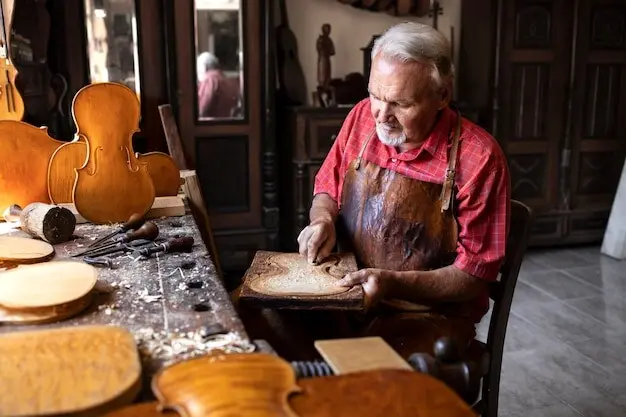
A carbon-steel knife remembers every tomato and chestnut; a hand-thrown bowl forgives rough bread; a wool blanket fades like honest denim. When objects improve with scratches, you stop buying replacements and start learning maintenance, the slow choreography of oiling wood, sharpening edges, and repairing seams with pride.

A Shelf of Stories

Travel is measured in spices and small stones. A jar of salt from Pag, a postcard from Trieste, a pressed edelweiss, a ferry ticket stub. Arranged together, they nudge future plans gently while anchoring gratitude daily, making breakfast feel like a continuation of journeys rather than an intermission.

Neighbors, Ferries, and Festival Evenings

Varomexoxarikira
Privacy Overview

This website uses cookies so that we can provide you with the best user experience possible. Cookie information is stored in your browser and performs functions such as recognising you when you return to our website and helping our team to understand which sections of the website you find most interesting and useful.